






BUY
eye

What is the retina?

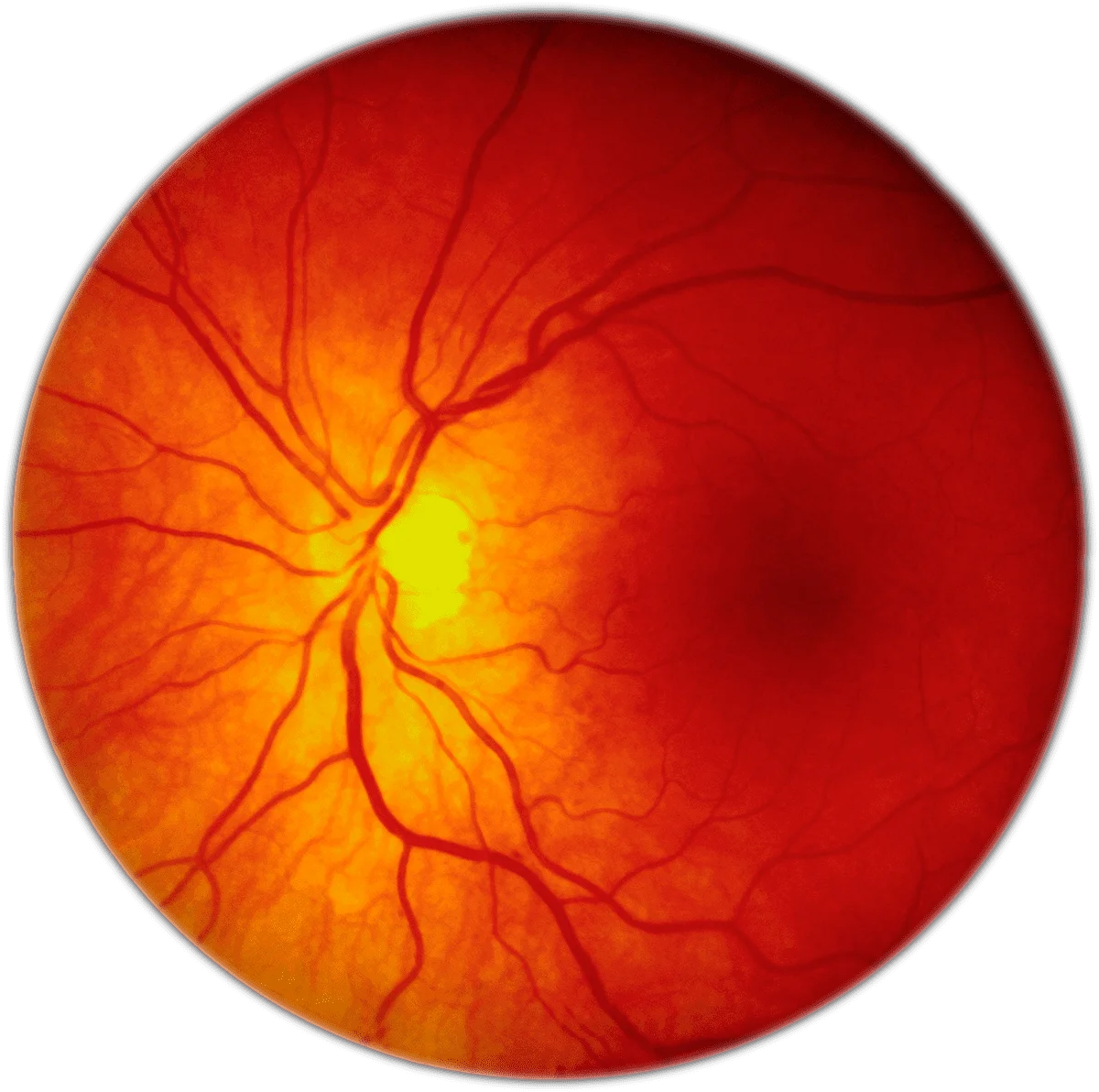
The retina is a light-sensitive tissue of nerve origin that lines the inner surface of the posterior segment of the eyeball. Its main function is to perceive light stimuli via photoreceptors divided into cones and rods and transform them into bioelectric impulses to be sent to the brain, via optic nerve fibers.
The macula is a small elliptical area of the retina responsible for what is known as the “fine vision”, in charge of central vision, reading the smallest characters, and the distinction of objects and colors This represents the area of best visual definition, in which the greatest amount of light rays are concentrated.

retina

What is macular degeneration?

Macular degeneration is a degenerative eye disease that affects the macula, the central portion of the retina responsible for central vision. The disease is often referred to as age-related macular degeneration (AMD) because it occurs mostly in individuals over the age of 60. In fact, many elderly people develop the condition as part of the natural aging process. There are two types of macular degeneration: dry macular degeneration and wet macular degeneration.
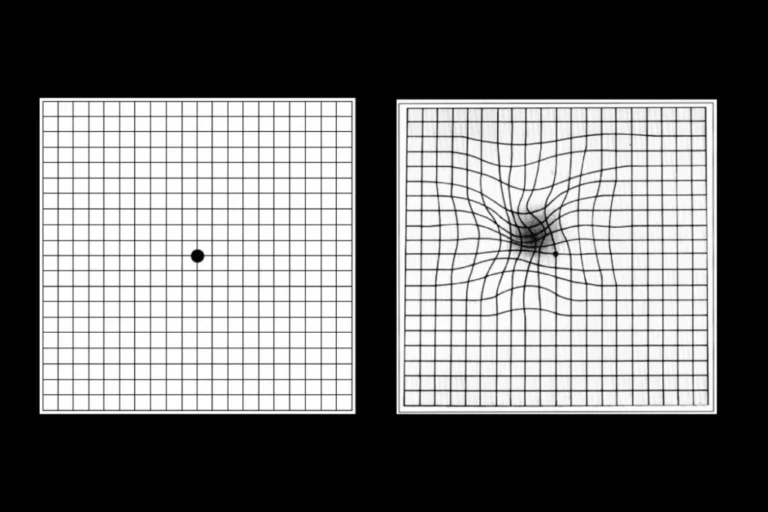
Dry macular degeneration is the most common form of the disease and is characterized by the accumulation of protein-lipid, yellowish-colored debris under the retina, called drusen. Due to the presence of drusen, the macula may become thinner and stop functioning properly, leading to the gradual decreasing of central vision. It is manifested by difficulty reading, distorted perception of straight lines, and difficulty distinguishing details.
Wet macular degeneration is less common but is also the most severe form of the disease. It occurs when abnormal blood vessels grow under the retina, causing damage to the macula. The deformation and distortion of vision is caused by blood and fluid leaking from the newly formed blood vessels, which collect under the macula and elevate it.

bg
Risk factor
ico

Macular degeneration can be caused by a combination of risk factors.
The biggest risk factor is age. Studies show that people over age 60 are clearly more at risk: by age 65, the macula begins to degenerate in about 10% of patients. The prevalence of damage increases to 30% in subjects aged 75-85 years.
Heredity is another risk factor for macular degeneration. People who have a close relative affected by the disease have a higher chance of developing macular degeneration.
Other risk factors include smoking, obesity, Caucasian population, female sex, a diet low in fruits and vegetables, prolonged exposure to sunlight or other ultraviolet light, hypertension, and high blood cholesterol levels.

Symptoms

Symptoms of macular degeneration can vary depending on the severity and type of disease.

Symptoms of dry macular degeneration may include:
– Difficulty seeing details
– Blurred or distorted vision
– Difficulty reading or seeing detailed images
– Need for more light to see clearly
– Distorted perception of straight lines

Symptoms of wet macular degeneration may include:
– Blurred or loss of vision
– Perception of a dark or hollow spot in the central visual field
– Distorted vision of straight lines
– Difficulty reading and distinguishing small details

In most cases, macular degeneration does not cause total blindness, but it can cause significant loss of central vision. This can make it difficult to perform daily activities such as reading, driving, recognizing people’s faces, and seeing details in dimly lit environments leading to a significant decrease of the quality of life of the patients affected.

Treatments and the importance of diet

While for wet macular degeneration there are early pharmacological or surgical treatments, which can prevent severe vision loss or slow down the disease considerably, for dry macular degeneration it is important to note that there is no specific treatment available nowadays.
In case the dry form is diagnosed, ophthalmologists usually focus on preventive measures to avoid disease progression. Preventing macular degeneration means reducing UV exposure and adopting a healthy diet that includes nutrient intake, such as carotenoid, antioxidants and zinc, vitamins A, C, and E.

18 Lazzara F, Conti F, Platania CBM, Eandi CM, Drago F and Bucolo C (2021) Effects of Vitamin D3 and Meso-Zeaxanthin on Human Retinal Pigmented Epithelial Cells in Three Integrated in vitro Paradigms of Age-Related Macular Degeneration. Front. Pharmacol. 12:778165. doi: 10.3389/fphar.2021.778165

Main nutrients for healthy eyesight

substanțe nutritive
Carotenoids

Some pigments are found at the macular level that form the so-called macular pigment, whose function is to protect the tissue from oxidation induced by dangerous light radiation reaching the district. The carotenoids that constitute macular pigment are contained in certain foods such as dark or bright green vegetables, certain types of fish and fruits. Once taken, carotenoids reach the retina by supplementing macular pigment and counteracting the oxidizing action of dangerous light radiation. Lutein, zeaxanthin, and meso-zeaxanthin are carotenoids with proven antioxidant properties. These carotenoids play an important metabolic role. Since, human beings cannot synthesize them significantly, they must be introduced through diet or dietary supplements. Their mechanism of action is twofold: direct, as they act as antioxidants against free radicals; indirect, as they selectively absorb precisely the harmful blue light.

substanțe nutritive
Vitamins A

Vitamins A or Retinol, and its precursors, the carotenoids, are involved in the mechanism of twilight and daytime vision as well as adaption to darkness.

substanțe nutritive
Zinc and Copper

Zinc and Copper contribute to the protection of cells from oxidative stress. Zinc also contributes to the maintenance of normal visual capacity. An important clinical study has shown that zinc intake, in combination with other antioxidants, is helpful in reducing the progression of AMD.

substanțe nutritive
Vitamin E

Vitamin E or tocopherol, also boasts antioxidant potential. For this reason it may be useful in eye disorders.

substanțe nutritive
Vitamin C

Vitamin C: Being the antioxidant par excellence, along with vitamin E, ascorbic acid protects the body from free radical attack. For this reason, vitamin C has rational in the treatment of AMD.

substanțe nutritive
Vitamin D3

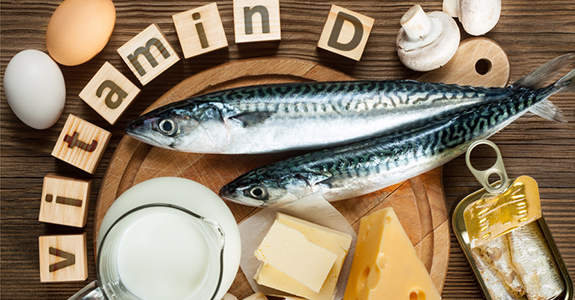
The main source of vitamin D3 for the human body is exposure to solar radiation; a thermal process that occurs at the level of the skin allows the transformation of a particular form of cholesterol into vitamin D3. Studies show that the sunshine vitamin protects against inflammation and supports the vital functions of the retina, protecting diseases such as macular degeneration of the eye. In fact, it may be useful in counteracting macular degeneration because of its antioxidant, anti-inflammatory, and antiangiogenic properties

8 LiB et al. Arch. Of Biochem and Biophis. 2010

Dietary supplementation in ophthalmology

A large number of studies, both in vitro and in vivo, have demonstrated the beneficial effect of certain dietary components, which can be taken with food or through supplements. Dietary supplements, or nutraceuticals, are food products that are intended to supplement the common diet and are a concentrated source of nutrients, such as vitamins and minerals, or other substances having a nutritional or physiological effect, and products that are used to supplement the normal diet. The proper use of dietary supplements, accompanied by a healthy, balanced diet, can slow, in some high-risk people, the progression or prevent the onset of dry macular degeneration.

3Stephan DeFelice, MD
4Food Directorate of Health Canada
eye

Diagnosis of AMD

The diagnosis of AMD may be performed by the ocular fundus examination (with colour pictures) and by OCT. Fluorangiography is also useful. Moreover, the AMSLER test is a rapid and useful tool which allows an early diagnosis. It can be performed by the patient but it does not replace the above mentioned examinations.

5 Kauppinen A, Paterno JJ, Blasiak J, Salminen A, Kaarniranta K. Inflammation and its role in age-related macular degeneration. Cell Mol Life Sci. 2016 May;73(9):1765-86. doi: 10.1007/s00018-016-2147-8. Epub 2016 Feb 6. PMID: 26852158; PMCID: PMC4819943.
bg

Therapy

Dry AMD is not curable. Anyway, in the early phases of the disease, as the AREDS studies have demonstrated, the oral intake of nutraceuticals containing carotenoids, antioxidants oligo elements and vitamins may be a valid support to prevent the progression of the disease.
For Wet AMD, most innovative treatments are anti-VEGF drugs which inhibits the principal factor responsible for neovascularization.

Prevention

Prevention is aimed to control modifiable risk factors such as: smoking, infrequent use of sunglasses, a diet poor in omega- 3 and vegetables, a lack of physical activity, systemic hypertension, cardiovascular pathologies, high level of blood cholesterol.

astar 3d

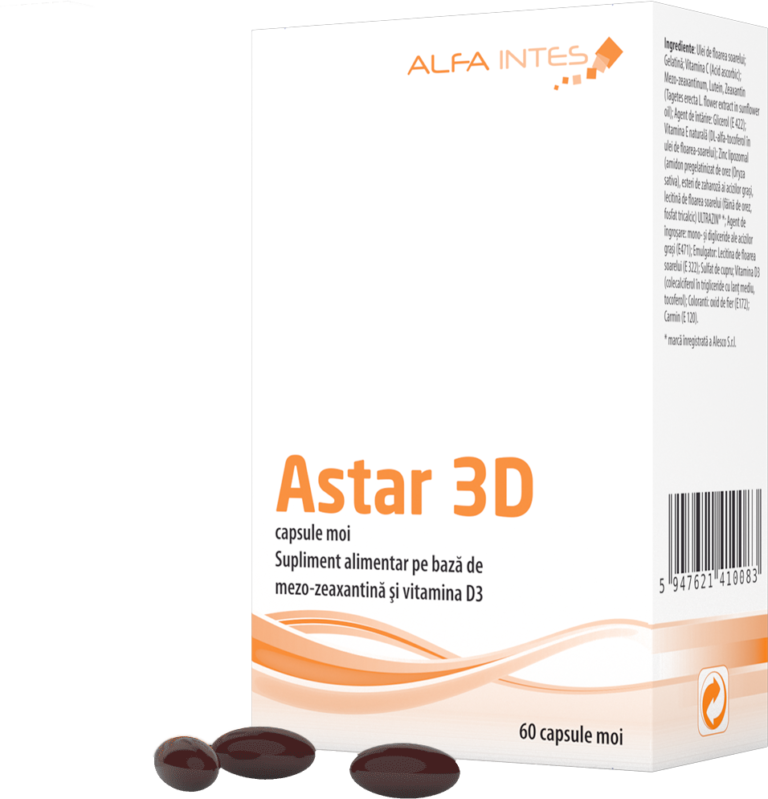
Astar 3D

The mentioned carotenoids, vitamins and minerals are commonly found in foods but their intake can be increased through nutritional supplementation while respecting daily Recommended dosages.
ASTAR 3D is a nutraceutical based on the 3 macular carotenoids (lutein, zeaxanthin, and meso-zeaxanthin), vitamin D3, C, E, and minerals, specially formulated for age-related macular degeneration. ASTAR 3D is a dietary supplement and should not replace a balanced nutritional diet. Astar 3D contains the AREDS* formula together with mesozeaxantin and vitamin D. (*AREDS is the first clinical study which demonstrated that the oral intake of carotenoids, vitamins and minerals may slow the progression of AMD).

Buy ASTAR 3D to fight macular degeneration!!!

0374 811 025
contact@skills-in-healthcare.ro

Available in partner pharmacies or you can order it at:

BUY